
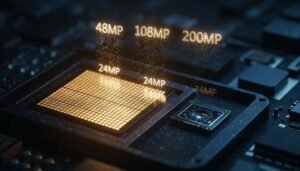
If you’ve ever stood in front of a camera display feeling overwhelmed by numbers — especially megapixels — you’re not alone. Every brand insists that more megapixels equal better photos, and if you’re new to photography, it’s easy to believe that’s all that matters.
But here’s the secret most photographers learn much later than they should: Megapixels vs Sensor Size………….
Megapixels are only a tiny part of the story. Sensor size is where the real magic happens.
Once you understand how these two elements work together, camera shopping becomes simpler, images make more sense, and you stop getting distracted by marketing noise. Let’s break it all down in a way that finally feels clear.
The Simple Definition of Megapixels
What Megapixels Actually Measure
Think of megapixels as the building blocks of your image. One megapixel is a million of those tiny dots that form the picture you see on your screen. A 24MP camera? That means your photo contains 24 million of those dots. Straightforward enough.
And while megapixels help determine how big you can print a photo or how much you can crop it later, that’s about as far as their real influence goes.
What Megapixels Don’t Control
This is where most beginners get tripped up. Megapixels don’t decide:
- How your camera behaves in low light
- How smooth or clean your image looks
- Whether your colors feel true-to-life
- How soft or strong your background blur is
- How much noise appears in darker areas
All of that comes from the sensor. The number of megapixels sitting on that sensor doesn’t magically fix image quality problems.
When Megapixels Actually Matter
Megapixels do serve a purpose — just not the one camera companies shout the loudest about. They’re helpful when:
- You print enormous wall-sized photos
- You crop your images aggressively
- You shoot landscapes with fine details
- You need ultra-high-resolution files for commercial work
For everything else — family photos, Instagram, travel snapshots — megapixels rarely make or break the final image.
Understanding Sensor Size Without the Technical Overload
Types of Camera Sensors
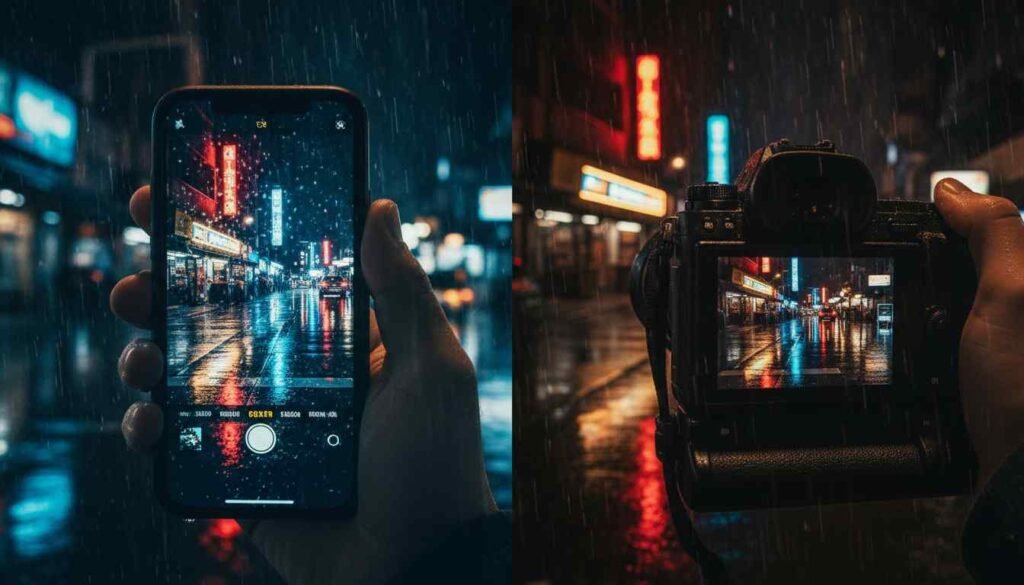
Sensors come in a range of sizes, and this is where the real difference lies. The most common ones include:
- Full-frame (the closest to traditional 35mm film)
- APS-C (slightly smaller but very capable)
- Micro Four Thirds
- 1-inch sensors
- Smartphone sensors, which are tiny in comparison
The bigger the sensor, the more light it collects — and light is everything in photography.
How Sensor Size Affects Detail
A larger sensor doesn’t just gather more light. It also produces:
- Cleaner images
- Better low-light performance
- More color depth
- Wider dynamic range
- A more natural, cinematic background blur
Even if two cameras have the same megapixel count, the one with the bigger sensor almost always comes out ahead.
Why Bigger Sensors Outperform Smaller Ones
The reason is surprisingly simple: bigger sensors have bigger pixels.
Bigger pixels can absorb more light, carry more data, and produce smoother gradients. Smaller pixels — like the ones crammed into high-MP smartphone sensors — struggle, especially in dim lighting. This is why your phone might look great at noon but noisy at night.
Real-World Photo Examples (Explained in Words)
Same Megapixels, Different Sensor Sizes
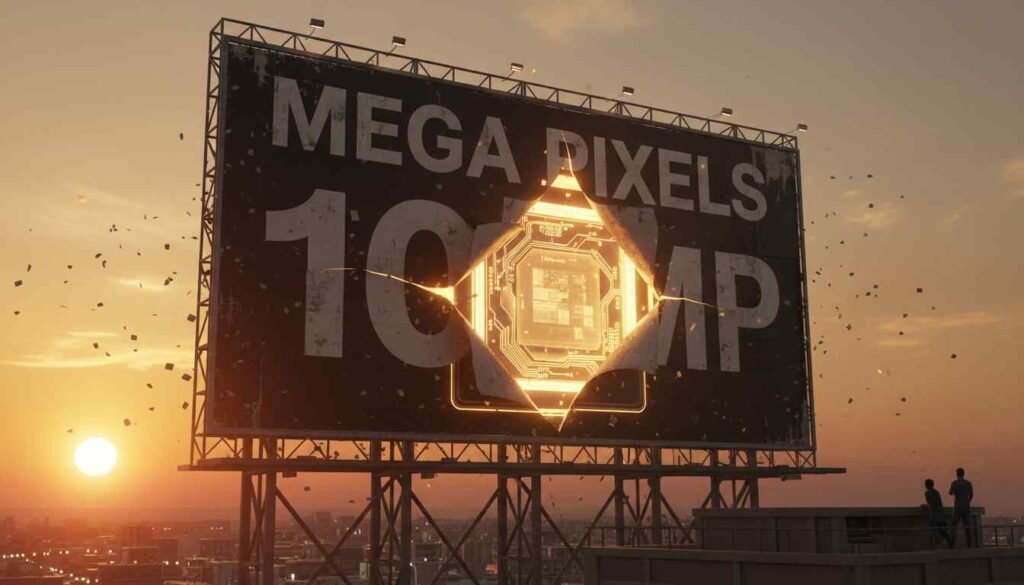
Imagine you’re comparing a 24MP smartphone photo next to a 24MP shot from an APS-C mirrorless camera. They both claim 24MP, but the images won’t look remotely similar.
The mirrorless photo will appear:
- More detailed
- Cleaner
- Less washed out
- Better in low light
The reason? The larger sensor creates a richer, more natural image, even with identical megapixels.
Cropping Power vs Noise
High megapixel counts can help you crop more aggressively, but cramming too many pixels onto a tiny sensor means each pixel becomes smaller — and smaller pixels struggle with noise.
This is why phones with huge megapixel claims often fall apart in dim environments.
Smartphone vs Real Camera Comparison
Smartphones rely heavily on:
- AI sharpening
- Computational noise removal
- Multi-frame blending
- Artificial background blur
They’re great tools, but they’re creating an interpretation of the scene — not a naturally captured image. Larger cameras simply record more real detail to begin with.
Should You Prioritize Megapixels or Sensor Size?
For Travel
Pick the biggest sensor you can afford. You’ll get better low-light photos, more depth, and fewer noisy shots in unpredictable lighting. Megapixels are secondary.
For Events
Fast-moving subjects, changing lighting — events demand reliability. A solid sensor and a moderate megapixel range (around 20–30MP) will outperform any “super high megapixel” marketing promise.
For Everyday Shooting
Anything in the 12–24MP range paired with a decent sensor will give you beautiful photos for social media, printing small albums, and daily moments.
More megapixels won’t make daily photos magically better.
Quick Decision Path for Beginners
Step 1 — Choose the Best Sensor Size Within Your Budget
Even a mid-range APS-C sensor will beat a small sensor loaded with unnecessary megapixels.
Step 2 — Aim for the Megapixel Sweet Spot
For most people, 20–30MP is perfect. It’s a balance of detail, low noise, and manageable file sizes.
Step 3 — Avoid These Common Mistakes
- Don’t buy the camera with the highest megapixel number just because it looks impressive.
- Don’t assume your phone’s megapixels compete with a larger sensor.
- Don’t chase specs — chase image quality.
Once your eye learns the difference, it’s impossible to unsee.
Tools and Resources Round Up
- DXOMark Sensor Database – Compare real sensor performance across brands.
- DP Review Camera Comparison Tool – Side-by-side sensor and megapixel breakdowns.
- Exposure Triangle Cheat Sheets – Helpful guides for beginners learning light behavior.
- Adobe Lightroom – Ideal for managing and editing high-resolution photos.
- Capture One Express – Great option for beginners using Sony or Fujifilm cameras.
Disclosure Policy: As an Amazon Associate, we earn from qualifying purchases.