

Are you ready to unlock the full potential of your camera and take your photography skills to the next level? One way to enhance your creativity and create stunning images is by utilizing a camera’s built-in filters. With these filters, you can experiment with different effects and add a unique touch to your photographs. From vibrant colors to dreamy landscapes, this article will guide you on how to make the most of your camera’s built-in filters and elevate your photography game. So grab your camera and get ready to explore a world of endless possibilities!
Understanding Built-In Filters
What are built-in filters?
Built-in filters are a feature found in many cameras that allow photographers to apply various effects to their images without the need for additional external filters. These filters are built into the camera’s settings and can be easily accessed and adjusted, providing photographers with a convenient way to enhance their creative vision.
Types of filters commonly found in cameras
There are several types of filters commonly found in cameras that offer different effects and creative opportunities. Some of the most commonly found built-in filters include polarizing filters, soft focus filters, graduated neutral density filters, vignetting filters, black and white filters, color filters, starburst filters, cross-screen filters, and diffusion filters. Each of these filters has its own unique purpose and can significantly impact the final result of the photograph.
Exploring Filter Effects
Enhancing Colors with Polarizing Filters
One of the most popular and versatile built-in filters is the polarizing filter. By attaching a polarizing filter to your camera, you can effectively enhance the colors in your photos by reducing reflections and increasing color saturation. This filter works by selectively blocking certain polarized light waves, resulting in richer and more vibrant colors. When using a polarizing filter, you can achieve more vibrant skies, reduced glare on water surfaces, and highly saturated colors in your landscape photography.
Creating Dreamy Landscapes with Soft Focus Filters
If you’re looking to add a touch of dreaminess and softness to your images, a soft focus filter can be a great tool. By attaching and adjusting a soft focus filter, you can create a soft and ethereal effect, particularly effective for portrait and nature photography. Soft focus filters work by slightly blurring the image, giving it a romantic and dreamy appearance. This filter can beautifully enhance the delicate features of a portrait subject or add a sense of mystery and allure to nature scenes.
Adding Drama with Graduated Neutral Density Filters
For photographers who often shoot landscapes or scenes with high contrast, graduated neutral density filters can be a game-changer. These filters are designed to balance exposure by reducing the light from the brighter parts of the scene while keeping the darker areas unaffected. By attaching and adjusting a graduated neutral density filter, you can capture evenly exposed images with rich detail in both the highlights and shadows. This filter is particularly useful in situations where the sky is significantly brighter than the foreground, allowing you to capture stunning landscape shots with dramatic cloud formations and well-exposed foregrounds.
Vignetting for a Vintage Feel
To add a vintage and artistic touch to your images, vignetting filters can be incredibly effective. These filters create a border effect around the edges of the frame, drawing attention to the subject and adding a nostalgic feel to the photograph. By attaching and adjusting a vignetting filter, you can create a vignette that enhances the mood of your image and adds a vintage charm. This effect is especially popular in portrait photography, as it creates an intimate and timeless atmosphere.
Achieving Infrared-Like Effects with Black and White Filters
Another creative option available with built-in filters is the ability to achieve infrared-like effects using black and white filters. By attaching and adjusting a black and white filter, you can simulate the look of infrared photography, giving your images a unique and dramatic appearance. This filter enhances texture and tonal range, resulting in striking black and white images with a distinct visual impact. It can be particularly effective for landscape and architectural photography, adding a surreal and otherworldly quality to the scene.

This image is property of pixabay.com.
Using Polarizing Filters
Understanding the purpose of polarizing filters
Polarizing filters are designed to reduce reflections and increase color saturation, making them a valuable tool for photographers in a variety of situations. By blocking certain polarized light waves, these filters can minimize glare and unwanted reflections on surfaces such as water, glass, or shiny objects. Additionally, they can enhance color saturation, resulting in more vibrant and richly toned images. Polarizing filters can be particularly useful for landscape photography, as they can intensify the colors of the sky and foliage, giving your images a captivating and immersive quality.
How to attach and adjust a polarizing filter
Attaching and adjusting a polarizing filter is a simple process that can greatly enhance the quality of your photographs. Begin by locating the filter thread on the front of your camera lens. Most lenses have a thread onto which filters can be screwed. Once you have identified the filter thread, carefully screw the polarizing filter onto the lens. Make sure it is securely attached but not too tight, as you may need to adjust its position. To adjust the polarizing effect, rotate the filter while looking through the camera’s viewfinder or LCD screen. Observe the changes in reflections and color saturation as you rotate the filter. Stop rotating when you achieve the desired effect.
Managing reflections and increasing color saturation
The primary purpose of a polarizing filter is to manage reflections and increase color saturation. When shooting outdoors, especially in sunny conditions, you may encounter unwanted reflections on water, glass, or shiny surfaces. These reflections can create distractions and detract from the overall quality of the image. By using a polarizing filter, you can minimize or eliminate these reflections, allowing you to capture a clearer and more focused scene. Additionally, polarizing filters can significantly enhance color saturation, making the colors in your images appear more vibrant and intense. This can be particularly advantageous for landscape photography, where vivid colors can make the scenery come to life.
Utilizing polarizing filters for sky and water photography
Polarizing filters are especially beneficial for sky and water photography. When photographing a clear blue sky, attaching a polarizing filter can deepen the color and make the sky appear more dramatic. By reducing atmospheric haze and making the blues more intense, the filter can create a visually stunning effect. Similarly, when photographing bodies of water, such as lakes or rivers, a polarizing filter can eliminate the glare and reflections on the surface, revealing the stunning underwater details and making the water appear more transparent. This enables you to capture captivating reflections and achieve a higher level of clarity in your water-based images.
Experimenting with Soft Focus Filters
Understanding the purpose of soft focus filters
Soft focus filters are designed to create a dreamy and soft effect in your photographs. By slightly blurring the image, these filters can generate a sense of mystery and romance, perfect for portraits and nature photography. Soft focus filters work by diffusing the light entering the lens, resulting in a gentle and delicate appearance. This filter can be particularly advantageous when capturing portraits, as it can soften imperfections and evoke a sense of timelessness. In nature photography, soft focus filters can add a touch of enchantment and ethereality to floral or landscape scenes, making the subjects appear delicate and dreamlike.
How to attach and adjust a soft focus filter
Attaching and adjusting a soft focus filter is a straightforward process that can significantly enhance the overall mood and ambiance of your images. First, identify the filter thread on your camera lens, typically located on the front. Once located, carefully screw the soft focus filter onto the lens, ensuring it is securely attached. To adjust the intensity of the soft focus effect, you can experiment with the aperture settings on your camera. Wider apertures, such as f/1.8 or f/2.8, will result in a softer and more pronounced effect, while narrower apertures, like f/11 or f/16, will produce a subtler soft focus effect. By adjusting the aperture and experimenting with different settings, you can find the perfect balance and achieve the desired softness in your images.
Creating a soft and dreamy effect on portraits
When capturing portraits, a soft focus filter can be a valuable tool for creating a soft and dreamy effect. This filter can help minimize imperfections and create a more flattering appearance, adding a touch of romance and nostalgia to the image. The softly diffused lighting and slightly blurred edges can give the portrait a more ethereal and timeless quality. Soft focus filters are particularly popular for capturing wedding or engagement photos, as they can enhance the emotions and create a sense of intimacy. To make the most of this effect, it is important to consider composition, light, and posing, ensuring that the soft focus filter complements the subject and enhances the overall mood of the photograph.
Enhancing floral and nature photography
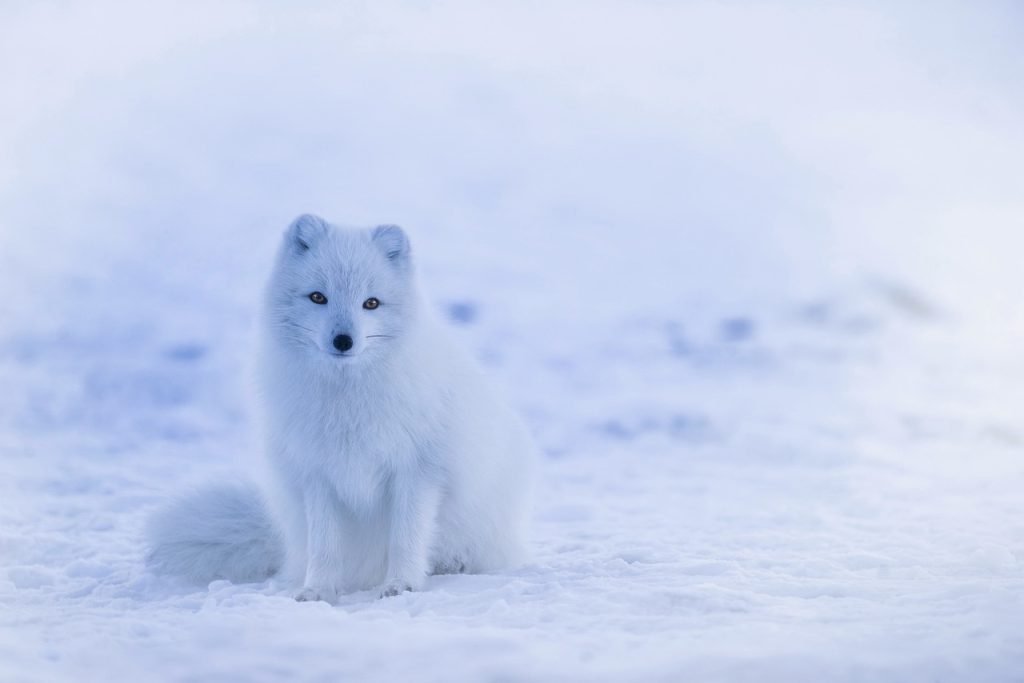
In addition to portraits, soft focus filters can also be incredibly effective in enhancing floral and nature photography. Flowers and natural elements often possess delicate details and intricate textures that can be beautifully accentuated through a soft and dreamy effect. By using a soft focus filter in this genre, you can add a touch of enchantment and create a captivating atmosphere. This filter can soften the edges of flower petals, create a gentle glow around the subject, and emphasize the ethereal and delicate nature of the scene. When photographing landscapes or nature scenes, a soft focus filter can enhance the overall mood and evoke a sense of wonder, making the image appear like a fairytale or a dream.
This image is property of pixabay.com.
Harnessing Graduated Neutral Density Filters
Understanding the purpose of graduated neutral density filters
Graduated neutral density filters are specifically designed to balance exposure in high contrast scenes. These filters have a gradient pattern, with one side being darker and the other side remaining transparent. By attaching and positioning the graduated neutral density filter, you can reduce the amount of light entering the lens in the brighter areas, such as the sky, while maintaining a balanced exposure in both the highlights and shadows. This enables you to capture scenes with a wide dynamic range and ensure that both the bright and dark areas retain detail and are properly exposed.
How to attach and adjust a graduated neutral density filter
Attaching and adjusting a graduated neutral density filter is a straightforward process that can significantly improve your landscape photography. First, locate the filter thread on your lens, typically situated on the front. Once identified, carefully screw the graduated neutral density filter onto the lens, ensuring it is securely attached. When positioning the filter, align the transition zone of the gradient with the horizon line or desired point of exposure balance. This will ensure that the filter darkens the brighter parts of the scene while keeping the darker areas unaffected. To adjust the position of the filter, gently slide it up or down in the filter holder until you achieve the desired effect.
Balancing exposure in high contrast scenes
High contrast scenes, such as landscapes with bright skies and darker foregrounds, can present an exposure challenge for photographers. The sky may be significantly brighter than the foreground, resulting in overexposed or blown-out highlights. By using a graduated neutral density filter, you can balance the exposure and capture the scene accurately. The darker part of the filter will block some of the light entering the lens from the sky, allowing for a more even exposure across the frame. This means that both the sky and the foreground will retain detail and be properly exposed, resulting in a more balanced and visually appealing image. Graduated neutral density filters are particularly effective when photographing sunsets, sunrises, or landscapes with challenging lighting conditions.
Achieving even exposures in landscape photography
Landscape photography often involves capturing scenes with varying levels of brightness, such as a bright sky and a darker foreground. Without the use of graduated neutral density filters, it can be challenging to capture these scenes with even exposures, resulting in loss of detail in either the highlights or shadows. By using a graduated neutral density filter, you can overcome this challenge and create images with balanced exposures. The filter’s gradient pattern helps to reduce the intensity of light in the brighter areas, such as the sky, without affecting the darker areas, such as the land or water in the foreground. This allows you to capture the details and textures in both the bright and dark areas, resulting in a visually pleasing and well-exposed landscape photograph.
Embracing Vignetting for a Vintage Feel
Understanding the purpose of vignetting filters
Vignetting filters are used to create a border effect around the edges of a photograph, adding a touch of vintage and artistic flair. This effect darkens the corners of the image, drawing the viewer’s attention towards the center and creating a sense of spotlighting on the subject. Vignetting filters can be particularly effective in adding a nostalgic and timeless feel to your images, evoking a sense of intimacy and depth.
How to attach and adjust a vignetting filter
Attaching and adjusting a vignetting filter is a simple process that can quickly enhance the aesthetics of your photographs. Identify the filter thread on the front of your camera lens, and carefully screw the vignetting filter onto the lens, making sure it is securely attached. To adjust the vignetting effect, you can experiment with different aperture settings. Wider apertures, such as f/1.8 or f/2.8, will result in a more pronounced vignette, while narrower apertures, like f/11 or f/16, will produce a subtler effect. By varying the aperture and testing different settings, you can find the ideal level of vignetting that complements your subject and adds the desired vintage touch to your images.
Creating a border effect for a vintage and artistic look
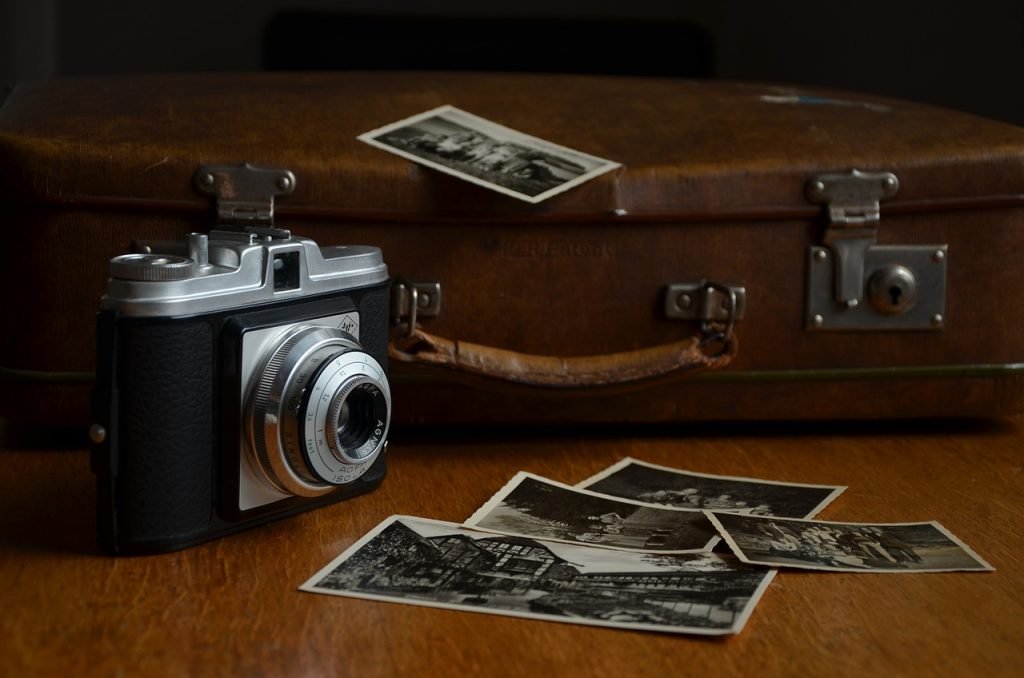
Vignetting filters are highly effective in adding a vintage and artistic look to your photographs. By darkening the corners of the image, these filters create a focus on the central subject and draw the viewer’s attention towards it. This border effect can add a nostalgic and intimate atmosphere, reminiscent of old photographs or vintage film. When used correctly, vignetting filters can create a sense of depth and enhance the overall composition. This effect is often employed in portraiture, as it can put the focus squarely on the subject and convey a timeless quality. By experimenting with vignetting filters in different settings, you can create visually striking images that stand out with their unique and artistic flair.
Utilizing vignetting for intimate portraits
Intimate portraits can benefit greatly from the use of vignetting filters. By creating a border effect, these filters help to focus the viewer’s attention on the subject’s face or figure, fostering a sense of intimacy and vulnerability. Vignetting adds a touch of elegance and sophistication to portrait photography, accentuating the subject’s features and capturing their emotions more intensely. Whether capturing candid shots or more posed portraits, vignetting filters can add a layer of depth and bring out the intimate nature of the moment. This effect is particularly impactful in black and white photography, as the darkened corners add drama and evoke a classic film noir aesthetic.
This image is property of pixabay.com.
Creating Infrared-Like Effects with Black and White Filters
Understanding the purpose of black and white filters
Black and white filters allow photographers to manipulate the tonal range and contrast in their images. These filters are particularly useful in black and white photography, as they enhance the different shades of gray, creating a more dramatic and impactful image. Black and white filters work by blocking certain wavelengths of light, enhancing the contrast between different elements in the scene and intensifying the final result. These filters can significantly impact texture, detail, and tonal range, making them a valuable tool for photographers who want to create striking and visually compelling monochrome imagery.
How to attach and adjust a black and white filter
Attaching and adjusting a black and white filter is a straightforward process that can bring depth and character to your black and white photographs. Begin by locating the filter thread on the front of your camera lens, typically found near the base. Once you have identified the filter thread, carefully screw the black and white filter onto the lens, ensuring that it is securely attached. To adjust the effect of the filter, you can experiment with different exposure settings and compositions. By varying the exposure, you can control the intensity of the black and white effect, achieving the desired level of contrast and tonal range. Additionally, try different compositions and angles to capture the scene from unique perspectives, allowing the black and white filter to emphasize the textures and details in the image.
Simulating infrared photography with black and white filters
Infrared photography has a distinct and ethereal aesthetic, characterized by its unique tonal range and contrast. While true infrared photography requires specialized equipment, black and white filters can help simulate the look of infrared imagery, offering a creative and artistic approach to your photography. By using a black and white filter, you can accentuate certain wavelengths of light, giving your images a similar tonal range and contrast seen in infrared photography. This effect highlights textures, enhances details, and adds a surreal and otherworldly quality to the image. Experimenting with different settings and compositions can lead to captivating and visually striking photographs that resemble the allure of true infrared imagery.
Enhancing texture and tonal range in monochrome imagery
Black and white filters are particularly effective in enhancing texture and tonal range in monochrome imagery. By blocking certain wavelengths of light, these filters accentuate the contrast between different elements in the scene, resulting in a more visually dynamic photograph. Fine details and subtle textures are brought forward, creating an image with depth and character. This effect is especially advantageous in landscape and architectural photography, where textures can play a significant role in defining the subject. By using a black and white filter, you can add drama, impact and bring out the intricate details that may go unnoticed in color photography. This filter allows you to create visually compelling monochrome images that captivate the viewer’s attention and evoke a unique sense of emotion.
Exploring Additional Built-In Filter Effects
Using color filters to produce unique effects
In addition to the built-in filters mentioned earlier, cameras often provide the option to apply color filters, which can produce unique and creative effects. Color filters work by altering the way colors are recorded, allowing you to manipulate the mood and atmosphere of your images. For instance, using a red filter can intensify red tones while darkening blues, creating a dramatic and moody effect. Yellow filters can enhance contrast and create a warm and nostalgic feel, while green filters are often used for nature photography, as they can bring out the lushness of foliage. By experimenting with different color filters, you can add a unique twist to your photographs and convey specific emotions or themes.
Experimenting with starburst and cross-screen filters
Another exciting built-in filter effect to explore is the starburst and cross-screen filters. These filters can add a touch of magic and sparkle to your images by creating unique light flares and star-shaped bursts. Starburst filters work by diffracting light as it enters the lens, resulting in beautiful rays of light emanating from bright sources, such as streetlights or the sun. Cross-screen filters, on the other hand, create a similar effect but in a cross-shaped pattern. These filters are particularly useful for capturing night scenes, cityscapes, or holiday lights, as they can transform ordinary light sources into dazzling and visually captivating elements.
Utilizing diffusion filters for softer focus
Diffusion filters offer a wonderful tool for achieving a softer and dreamy focus in your photographs. These filters work by scattering and diffusing light, resulting in a gentle and romantic appearance. By attaching a diffusion filter to your camera, you can add a subtle glow and create a soft-focus effect that enhances the mood and ambiance of your images. Diffusion filters are widely used in portrait photography, as they can soften imperfections and create a more flattering and ethereal appearance. When photographing people, especially in intimate or romantic settings, diffusion filters can convey a sense of enchantment and evoke a nostalgic and dreamlike atmosphere.
Achieving multiple exposures with built-in filter effects
Many cameras with built-in filters also offer the option to create multiple exposures, allowing you to overlay different images into one frame. This technique can result in fascinating and imaginative compositions that blend different scenes or subjects together. By utilizing the multiple exposure feature along with various built-in filters, you can experiment with creating unique and artistic effects. For example, layering a soft focus filter with a black and white filter can result in a dreamy and ethereal monochrome image. Combining different filters can add depth and complexity to your photographs, providing an opportunity for limitless creativity and visual storytelling.
Understanding Limitations and Considerations
Knowing the impact on exposure and light transmission
When using built-in filters, it is important to consider their impact on exposure and light transmission. Some filters, such as graduated neutral density filters, can darken certain areas of the image, affecting the overall exposure. It is crucial to monitor your camera’s light meter and make necessary adjustments to ensure a well-balanced exposure. Additionally, certain filters, like polarizing or neutral density filters, may reduce the amount of light that reaches the camera’s sensor, requiring longer exposure times. Understanding the specific characteristics of each filter will help you anticipate and compensate for any exposure or light transmission changes.
Considering white balance and color temperature
Different built-in filters have the potential to alter the white balance and color temperature of your images. For example, a polarizing filter can cool down the color temperature, making the scene appear bluer. It is important to be mindful of these changes and adjust the white balance settings accordingly. If shooting in RAW format, you can make further adjustments during post-processing to fine-tune the white balance. By paying attention to the color shifts caused by the filters, you can ensure accurate and consistent color representation in your photographs.
Understanding compatibility with different lenses
It is important to consider the compatibility of built-in filters with different lenses. Filter size can vary depending on the lens, and it is essential to match the filter diameter to the correct lens thread size. Using filters that do not fit properly or have the wrong dimensions can result in vignetting or light leaks, negatively impacting the quality of your images. Take note of the filter thread diameter of each lens in your camera bag and select the appropriate filter size to achieve optimal results.
Valuing the importance of post-processing
While built-in filters can greatly enhance your photographs, it is essential to understand the importance of post-processing. Applying built-in filters should be viewed as a tool to aid in capturing your desired effect, but post-processing allows for further refinement and adjustment. After capturing your image, you can use image editing software to fine-tune the colors, contrast, and other elements to achieve your desired aesthetic. Post-processing provides an opportunity to enhance the impact of your photographs and ensure they reflect your creative vision accurately.
Conclusion
Built-in filters are a valuable tool for photographers seeking to add creative effects and enhance the quality of their images. Understanding how each filter works and the specific effects it produces can significantly impact the overall result of your photographs. Whether it’s enhancing colors with polarizing filters, creating a dreamy atmosphere with soft focus filters, balancing exposures with graduated neutral density filters, adding a vintage feel with vignetting filters, or achieving infrared-like effects with black and white filters, built-in filters offer an array of possibilities to explore. Experimenting with different filters and their settings allows you to develop a unique style and capture the world through your own creative lens. Remember to be mindful of the limitations and considerations associated with using built-in filters, such as exposure adjustments, white balance considerations, lens compatibility, and the importance of post-processing in refining your final images. By utilizing these built-in filters effectively, you can elevate the visual impact of your photography and express your unique artistic vision.