
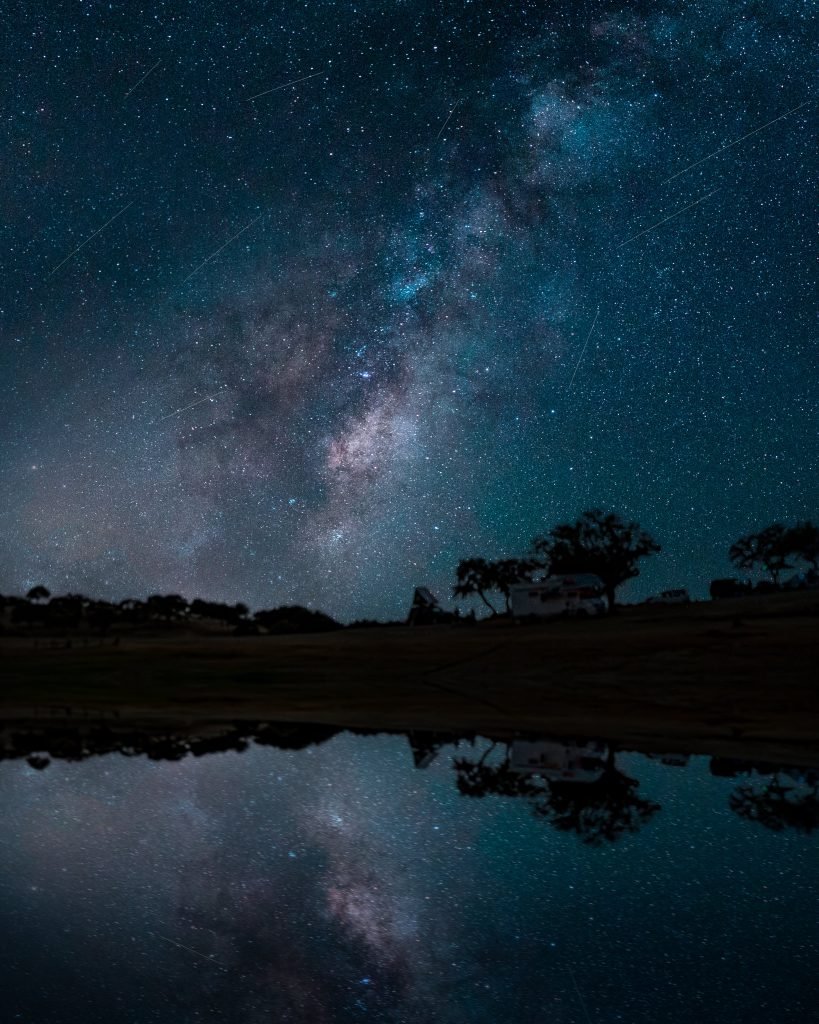
urban night photography has its own unique charm, capturing the pulsating energy and vibrant colors of a city after dark. But achieving captivating shots in this low-light environment can be a daunting task. In this article, we will explore some simple yet effective techniques and tips that will help enhance the quality of your urban night photography. Whether you are a seasoned photographer or just starting out, these insights will equip you with the knowledge and skills to capture stunning nighttime cityscapes that will leave viewers in awe. So grab your camera, adjust your settings, and get ready to unlock the secrets of captivating urban night photography.
This image is property of images.pexels.com.
Equipment and Gear
Camera
When it comes to urban night photography, having the right camera can make a world of difference. Look for a camera that performs well in low light conditions and has a high ISO range. A full-frame camera will generally produce better results, but if you’re on a budget, a good crop sensor camera can still deliver impressive images.
Tripod
A stable tripod is an essential tool for capturing sharp and clear night photographs. It allows you to use slower shutter speeds without worrying about camera shake. Look for a sturdy tripod that can support the weight of your camera and lens.
Remote Shutter Release
Using a remote shutter release or a cable release is a great way to minimize camera shake when taking long exposure shots. It allows you to trigger the shutter without touching the camera, ensuring optimal sharpness in your images.
Lens
For urban night photography, a wide-angle lens is highly recommended. It allows you to capture more of the cityscape and can create a sense of depth in your photos. A prime lens with a wide maximum aperture, such as f/1.8 or f/2.8, is ideal for capturing more light in low-light situations.
Filters
Consider adding filters to your gear collection to enhance your night photography. Neutral density (ND) filters can help you achieve longer exposures, while graduated neutral density (GND) filters can balance the exposure between the bright sky and the darker cityscape. Experimenting with different filters can add a creative touch to your urban night photos.
Understanding Exposure
Shutter Speed
Shutter speed refers to the amount of time the camera’s shutter remains open when taking a photograph. In urban night photography, using longer shutter speeds allows more light to enter the camera sensor, resulting in brighter and more detailed images. However, keep in mind that longer shutter speeds can also introduce motion blur if there is any movement in the scene, so a tripod is essential for stability.
Aperture
The aperture setting determines the amount of light that enters the camera through the lens. When shooting urban night photography, using a wide aperture (smaller f-number) allows more light to reach the sensor, resulting in brighter images. However, using a wide aperture also decreases the depth of field, so be mindful of your focus and choose the appropriate aperture for your desired effect.
ISO
ISO measures the sensitivity of the camera’s image sensor to light. When shooting in low light conditions, increasing the ISO setting can help capture brighter images. However, keep in mind that higher ISO settings can introduce digital noise or grain to your photos. Experiment with different ISO settings to find the optimal balance between brightness and noise in your urban night shots.
Mastering Low Light Techniques
Long Exposure
long exposure photography involves using slower shutter speeds to capture moving subjects or to create stunning light trails. It can add a sense of dynamism and creativity to your urban night shots. To achieve long exposures, use a tripod to keep the camera steady, and experiment with different exposure times to capture the desired effect.
Light Painting
Light painting is a technique where you use handheld light sources to illuminate specific areas of a scene during a long exposure. This can create beautiful and captivating effects in your urban night photos. Experiment with different light sources, such as flashlights or LED panels, and try different techniques to achieve unique and interesting results.
HDR
High Dynamic Range (HDR) photography involves capturing multiple exposures of the same scene at different exposure levels and blending them together in post-processing. This technique helps to achieve a greater tonal range and detail in your urban night photos, allowing you to capture both the bright highlights and dark shadows. Use bracketing mode on your camera to capture multiple exposures and then merge them using HDR software.
Choosing the Right Location
Researching Cityscapes
Before heading out for an urban night photography shoot, it’s essential to research potential cityscape locations. Look for iconic landmarks, unique architecture, or vibrant street scenes that will make your photos stand out. Online resources, photography forums, and social media platforms can provide inspiration and tips for finding the best spots to capture the city’s essence at night.
Considering Safety
When shooting urban night photography, always prioritize your safety. Research the area beforehand and be aware of any potential risks or unsafe locations. It’s also advisable to shoot with a buddy and let someone know your shooting location and approximate duration. By being proactive and cautious, you can ensure a safe and enjoyable photography experience.
Finding Unique Perspectives
To create captivating urban night photographs, strive to find unique perspectives that showcase the city in a new and interesting way. Look for vantage points that offer different angles or viewpoints, such as rooftops, bridges, or elevated platforms. Experiment with different compositions and camera angles to add a fresh perspective to your images.
This image is property of images.pexels.com.
Working with Artificial Lighting
Using Streetlights
Streetlights can serve as excellent light sources for your urban night photography. They provide a warm and ambient glow, adding depth and atmosphere to your photos. Include streetlights in your compositions as leading lines or as points of interest to guide the viewer’s eye through the image. Experiment with different exposure settings to capture the essence of the city’s illuminated streets.
Utilizing Ambient Light
Ambient light refers to the natural or existing light present in a scene. In urban environments, ambient light can come from sources such as neon signs, car headlights, or windows. Utilize these sources creatively by using them as backdrops or to illuminate specific areas of your composition. The interplay of ambient light sources can add a sense of drama and intrigue to your urban night photographs.
Adding Light Sources
To add an extra element of creativity to your urban night photography, consider bringing your own light sources. This could be as simple as using a flashlight to selectively illuminate certain areas or as elaborate as using off-camera flash or light painting techniques. By introducing additional light sources, you can control the lighting and create unique and visually appealing effects in your urban night photos.
Creative Composition
Leading Lines
Leading lines are a powerful compositional tool that can guide the viewer’s eye through your urban night photographs. Look for elements in the cityscape such as roads, bridges, or railings that naturally form leading lines. Incorporate these lines into your composition to create a sense of depth and draw attention to specific areas of the frame.
Foreground Interest
Including foreground interest in your urban night compositions can add depth and create a more engaging photograph. Look for objects or elements in the foreground that can serve as points of interest or frames for the main subject. Experiment with different perspectives and angles to find interesting foreground elements that enhance the overall composition of your images.
Silhouettes
Silhouettes can create striking and dramatic effects in urban night photography. Look for backlit subjects or strong light sources such as streetlights and skyscrapers to create captivating silhouettes against the night sky. Remember to expose for the highlights and let the subject remain in shadow, emphasizing the shapes and outlines.

This image is property of images.pexels.com.
Post-Processing Tips
Adjusting Exposure and Contrast
In post-processing, adjusting the exposure and contrast can help enhance the overall look of your urban night photos. Use software such as Adobe Lightroom or Photoshop to fine-tune the exposure, ensuring that the important elements are properly exposed. Play with the contrast to bring out details in the highlights and shadows, adding depth and vibrancy to your images.
Enhancing Colors
Colors can play a vital role in urban night photography. Experiment with adjusting the saturation and vibrance of specific colors to achieve your desired mood and atmosphere. Use the HSL (Hue, Saturation, and Luminance) controls in post-processing software to selectively enhance or mute certain colors, making them pop or blend harmoniously with the overall composition.
Removing Noise
In low light conditions, digital noise can be a common issue in night photography. When post-processing your urban night images, use noise reduction tools to remove any unwanted noise. Strike a balance between reducing noise and preserving details, as aggressive noise reduction can sometimes result in loss of image sharpness.
Safety Precautions
Being Aware of Surroundings
When shooting urban night photography, it’s essential to be aware of your surroundings. Pay attention to pedestrian and vehicular traffic, as well as any potential hazards. Stay alert and be mindful of your gear, personal belongings, and the people around you. By maintaining situational awareness, you can ensure a safe and enjoyable photography experience.
Carrying Essential Items
Carry essential items when shooting urban night photography. This includes extra batteries, memory cards, lens cleaning supplies, and a flashlight. It’s also a good idea to have a fully charged mobile phone for communication and emergency purposes. Being prepared with the right equipment can help you tackle unexpected situations and ensure a smooth and productive shoot.
Avoiding Potential Risks
When shooting in urban environments at night, there may be certain risks involved. It’s important to use common sense and avoid potentially dangerous situations. Avoid isolated or poorly lit areas, and if you feel uncomfortable or unsafe, trust your instincts and leave the location. Your safety should always be your top priority, so choose shooting locations and times wisely.
Experimenting and Pushing Boundaries
Trying Different Perspectives
Creativity in urban night photography comes from exploring different perspectives and viewpoints. Don’t be afraid to think outside the box and try unconventional angles or shooting techniques. Climb to higher vantage points or get down low to capture unique and unexpected compositions. Pushing the boundaries of traditional urban photography will give your images a fresh and captivating feel.
Playing with Reflections
Reflections can add an extra layer of interest and complexity to your urban night shots. Look for reflective surfaces such as glass windows, puddles, or wet pavements. Use them to capture the city lights and structures in a new and dynamic way. Experiment with different angles and compositions to maximize the impact of reflections in your images.
Using Multiple Exposures
Multiple exposures can create unique and artistic effects in urban night photography. Through in-camera or post-processing techniques, you can overlay multiple exposures to capture different aspects of a scene in a single frame. This can result in abstract and ethereal images that are visually captivating. Experiment with blending different exposures and discover the possibilities that multiple exposures offer.
Continuously Learning and Practicing
Studying Photography Books and Tutorials
To continuously improve your urban night photography skills, invest time in studying photography books and tutorials. There are abundant resources available that provide insights into various techniques, composition ideas, and post-processing tips specific to urban night photography. Learning from the experiences and expertise of others can help you develop your own unique style and vision.
Attending Workshops
Attending workshops or photography classes focused on urban night photography can be a valuable learning experience. Workshops provide opportunities to learn from professionals, get hands-on practice in different environments, and receive feedback on your work. Networking with fellow photographers can also inspire and motivate you to further develop your skills.
Regularly Shooting at Night
Like any skill, practice is crucial for improving your urban night photography. Make it a habit to regularly go out and shoot at night, even if it’s just for a short period of time. By immersing yourself in the challenges and nuances of night photography, you will continually refine your techniques, expand your creative boundaries, and capture captivating urban night images.
Achieving captivating urban night photography requires a combination of the right equipment, technical knowledge, creativity, and continuous practice. By understanding exposure, mastering low light techniques, choosing the right location, working with artificial lighting, employing creative composition, utilizing post-processing tips, and prioritizing safety, you can elevate your urban night photography to new levels. Remember to experiment, push boundaries, and continuously learn from the experiences and expertise of others. With time and dedication, you will capture stunning and captivating urban night photographs that tell unique and compelling stories of the city after dark.